Recent updates from federal regulators on Tesla robotaxis in Austin have grabbed attention. The numbers show 14 incidents since the service began in June 2025. Over about 800,000 miles, this equals one event every 57,000 miles. Some outlets call it troubling. Yet a closer look reveals most events were minor taps at very low speeds. When you consider how everyday cars handle small bumps, the picture brightens. This data actually highlights steady progress in autonomous driving.
What Does the Recent Tesla Robotaxi NHTSA Data Really Show?
The National Highway Traffic Safety Administration tracks automated systems through its standing general order. Tesla reports every qualifying event where the system was active. In the latest batch, five new incidents from December 2025 and January 2026 joined the total of 14.
Breaking Down the Speeds and Details of the Incidents
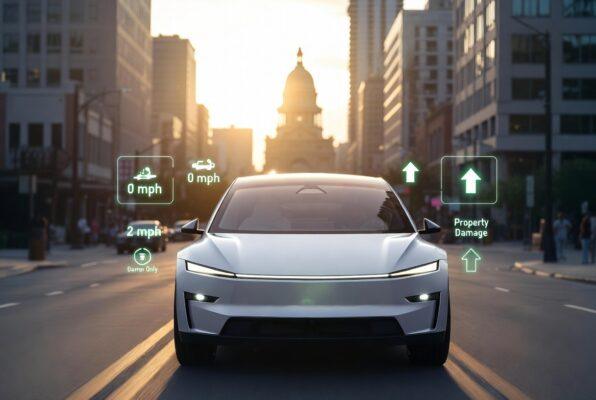
Most happened during slow maneuvers in busy city spots. Here is a clear view of those five:
| Incident Period | Speed (mph) | What Happened | Result |
|---|---|---|---|
| December 2025 | 17 | Straight contact with fixed object | Property damage only |
| January 2026 | 4 | Contact with parked heavy truck | Property damage only |
| January 2026 | 0 | Stationary vehicle hit by bus | Property damage only |
| January 2026 | 2 | Backing into fixed object in lot | Property damage only |
| January 2026 | 1 | Backing into pole or tree | Property damage only |
Four out of five stayed at walking pace or less. The single higher speed case still caused only light damage. No serious injuries appear in these latest reports.
Why Traditional Car Crash Numbers Look So Different
Average crash rates for all vehicles come from police reports and insurance claims. Those sources miss plenty of tiny events.
Under NHTSA guidelines, any automated vehicle must report crashes with even slight property damage if the system was engaged within the prior 30 seconds. This includes fender taps that human drivers often skip. Regular cars face no such rule. As a result, official stats focus on bigger events that involve tows or injuries.
Studies show roughly half of all minor collisions never reach police records. Drivers settle them privately or ignore them if damage stays cosmetic. Tesla estimates the average person experiences a minor collision once every 229,000 miles when counting only noticeable ones. The robotaxi data captures far more detail from the start. That difference explains much of the gap people see in headlines.
How Does This Data Fit with Tesla Overall Safety Picture?
Tesla vehicles with active safety features already show strong results in their own reports. The company shares miles per collision figures that outperform national averages in many categories.
Each robotaxi adds miles in real traffic. Software updates roll out based on fleet experiences. Recent estimates from analysts note the miles per incident in Austin doubled between December and January. That kind of quick gain points to effective improvements.
What This Means for Tesla Owners Interested in Full Self Driving
Owners who follow FSD updates know the technology improves with every release. The Austin robotaxi program serves as a real world test bed. Minor early events help iron out edge cases in dense city driving. As the system matures, expect fewer interventions and smoother rides for everyone.
FAQ
Are all reported Tesla robotaxi incidents serious crashes?
Why does the crash rate look higher than human drivers?
Will these low speed events slow down robotaxi expansion?
How does this affect regular Tesla owners with FSD?
Does Tesla hide important details?
This article is for informational purposes. Always refer to official Tesla communications and local regulators for the latest details.